Revolutionizing Milan’s Iconic Stadium: A New Chapter for San Siro
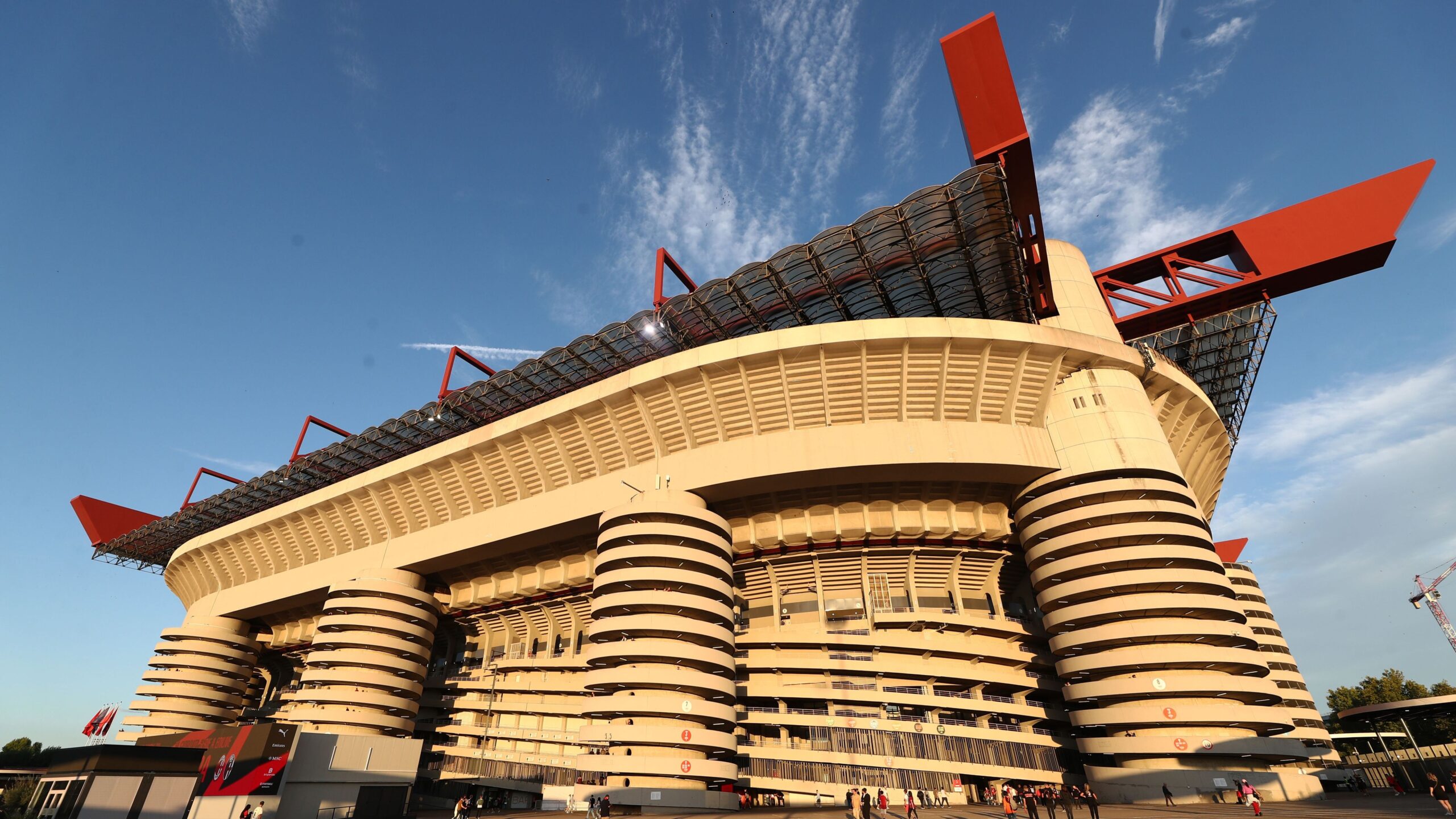
San Siro, the legendary football venue, has shifted hands for the first time in almost 80 years, moving away from city control. On November 5, AC Milan and Inter sealed a €197 million deal to buy the stadium and its adjacent property from Milan’s Municipality, concluding public ownership that started in 1947.
The Landmark Acquisition of San Siro by AC Milan and Inter
In a move that signifies a transformative shift for Italian football, the deal received approval from the City Council in late September and wrapped up earlier than anticipated once the teams obtained the required funding assurances. This agreement encompasses not only the stadium but also the neighboring real estate, paving the way for the clubs to design a cutting-edge, 71,500-capacity facility located west of the current location. Once seen as a symbol of Serie A’s peak era, the San Siro-also called Stadio Giuseppe Meazza-is now primed for an extensive overhaul, spearheaded by renowned designers Sir Norman Foster and David Manica, who previously transformed London’s Wembley Stadium.
Official Confirmation from Milan Municipality
The Municipality of Milan made the handover official via a press release on Tuesday, stating: “The notarial deed for the sale of the property complex, which includes the Giuseppe Meazza stadium and is designated under the existing Land Management Plan as the ‘San Siro Major Urban Function,’ was finalized today between the Municipality of Milan and Stadio San Siro S.p.A., based on the proposal from AC Milan S.p.A. and FC Internazionale Milano S.p.A., in line with art. 4, paragraph 13, of Legislative Decree no. 38 dated 28 February 2021, known as the ‘Stadium Law’.”
Statements from the Clubs
Following the announcement, both AC Milan and Inter released a unified declaration, highlighting the agreement’s importance. “Building the new stadium and revitalizing the San Siro region marks a fresh start for Milan and our teams,” it noted. “This key achievement embodies the common goals of AC Milan and Inter, along with their owners-RedBird and Oaktree-managed funds-to achieve enduring sports excellence and foster investments that drive the eco-friendly expansion of both clubs.”
Transition Plans and Shared Use
Both teams plan to keep using the existing San Siro facility until the new one is ready, with construction targeted to finish prior to Euro 2032.
Ongoing Investigations into the Deal
Despite the celebrations, questions have arisen from Milan’s Public Prosecutor’s Office regarding possible irregularities in the bidding process, specifically allegations of bid manipulation. Claudio Trotta, a promoter at Tuttosport and co-founder of the Si Meazza Committee, was recently interviewed by authorities. He argues that he and his associates were barred from offering a rival bid due to the municipality’s tight deadlines. In a letter addressed to Mayor Giuseppe Sala, Trotta claimed that other groups were not afforded equal opportunities to join, spotlighting issues of openness in this major Italian sports deal. Officials from the city maintain that everything was handled properly and met all regulations, though the probe continues without any charges yet.
Details of the Upcoming Stadium Development
When building commences, the new venue from Foster+ Partners and MANICA Architecture will accommodate approximately 71,500 fans, slightly less than the present San Siro by about 4,000 seats. The design features vast green areas, shopping zones, work spaces, and entertainment venues, pointing to a comprehensive effort to renew the neighborhood.
Role in Future Events
This modern arena is slated to be among Italy’s five sites for Euro 2032, co-hosted with Turkey. In the meantime, the original San Siro will host key occasions, such as the 2026 Milan-Cortina Winter Olympics kickoff, before parts of it are taken down.
The Bigger Picture for Italian Football
For AC Milan and Inter, this purchase goes beyond mere possession; it’s a strategy to restore Serie A’s international prominence. Italian football, which once drew the globe’s top talents, has faced a gradual downturn over the last two decades, falling behind leagues like the Premier League and La Liga in financial strength and audience involvement. The clubs now envision this privately managed mega-stadium as an emblem of innovation and longevity, echoing the glory days of the 1990s and 2000s when San Siro stood as the epicenter of global soccer.
Background on San Siro Stadium
San Siro, often referred to as the heart of Milan football, has been a iconic venue for decades, hosting some of the most thrilling Serie A matches and international events. This stadium isn’t just a sports facility; it’s a symbol of passion for fans of AC Milan and Inter Milan. Shared by these two rival clubs since 1960, San Siro has witnessed legendary moments, from epic derbies to World Cup finals. Understanding its history is key to grasping the significance of the recent acquisition amidst ongoing controversies.
Historical Significance of San Siro
San Siro was originally built in 1926 and has undergone several renovations, most notably in the 1990s to meet modern standards. Over the years, it has become more than just a stadium-it’s a cultural landmark in Milan. For AC Milan and Inter Milan supporters, attending a game here is an experience tied to tradition and community. Keywords like “San Siro history” highlight how this venue has influenced Italian football, drawing millions of visitors annually and boosting tourism in the city.
The stadium’s capacity of over 75,000 makes it one of Europe’s largest, and it’s hosted major events like the UEFA Champions League finals and the 1990 FIFA World Cup. However, as AC Milan and Inter Milan push for modernization, discussions about renovating or relocating from San Siro have intensified, tying into broader themes of “stadium ownership in Serie A.”
The Acquisition Deal Details
In a major move for Italian football, AC Milan and Inter Milan finalized their €197 million acquisition of San Siro from the City of Milan. This deal marks a pivotal shift, allowing the clubs greater control over the stadium’s future development and operations. The agreement, which was completed after months of negotiations, underscores the clubs’ commitment to enhancing their home ground while navigating financial and legal hurdles.
Key Components of the €197 Million Deal
The acquisition involves not only the purchase of the land and infrastructure but also plans for potential upgrades. Here’s a breakdown of the deal’s essentials:
- Financial Breakdown: The €197 million price tag includes an initial payment and provisions for future investments, such as improving seating, adding modern amenities, and enhancing fan experiences. This figure reflects the high value of “San Siro acquisition” in the context of European football real estate.
- Ownership Structure: Both clubs will share ownership, ensuring that San Siro remains a neutral ground for their high-stakes derbies. This collaborative approach could set a precedent for other shared stadiums in Serie A.
- Development Plans: The clubs aim to modernize the facility with sustainable features like eco-friendly lighting and expanded VIP areas, potentially increasing revenue through events beyond football. Terms like “AC Milan stadium plans” and “Inter Milan investments” are central to these discussions.
This deal highlights the strategic importance of stadium assets in boosting club revenues, especially in competitive leagues like Serie A, where keywords such as “football stadium acquisition” play a role in search visibility.
The Bid-Rigging Investigation
While the acquisition is a win for fans, it’s overshadowed by a bid-rigging investigation launched by Italian authorities. This probe examines whether the bidding process for San Siro was manipulated, raising questions about transparency in major sports deals. Such investigations are not uncommon in high-stakes transactions, but they add layers of complexity to the clubs’ celebrations.
What is Bid-Rigging and Its Relevance?
Bid-rigging occurs when competitors collude to fix the outcome of a bidding process, often to eliminate fair competition. In this case, officials are scrutinizing if AC Milan and Inter Milan’s joint bid unfairly sidelined other potential buyers, like real estate developers interested in redeveloping the area.
- Investigation Timeline: Reports indicate that the inquiry began shortly after the deal was announced, with authorities reviewing documents and communications. This could delay any immediate renovations, impacting the clubs’ timelines for “San Siro upgrades.”
- Potential Consequences: If proven, bid-rigging could lead to fines, contract revisions, or even legal action against club executives. For fans, this means uncertainty about future matches and the stadium’s legacy.
Implications for AC Milan and Inter Milan
The investigation poses risks for both clubs, potentially affecting their finances and public image. AC Milan, known for its global fanbase, and Inter Milan, with its recent successes in European competitions, must navigate this scrutiny carefully.
- Financial Impact: Any penalties could strain the clubs’ budgets, especially as they invest in player transfers and youth academies.
- Fan and Stakeholder Reactions: Supporters are closely watching how “bid-rigging in football deals” unfolds, with social media buzzing about accountability. This could influence ticket sales and brand loyalty.
- Broader Serie A Context: This case might prompt reforms in how stadium deals are handled, emphasizing fair play in “Italian football governance.”
Impact on Milan Football and Beyond
The acquisition and investigation are reshaping the landscape for AC Milan and Inter Milan, influencing everything from match-day experiences to the clubs’ long-term strategies. With San Siro at the center, this deal could inspire similar moves by other Serie A teams looking to secure their venues.
Economic and Cultural Effects
Economically, owning San Siro outright allows the clubs to monetize the space more effectively, possibly through partnerships and events. Culturally, it reinforces Milan’s status as a football hub, attracting tourists searching for “AC Milan and Inter Milan experiences.”
- Tourism Boost: Enhanced facilities could draw more international visitors, linking “San Siro tourism” with the city’s attractions.
- Sustainability Efforts: The clubs’ plans include green initiatives, aligning with global trends in “sustainable football stadiums.”
In total, this development underscores the evolving nature of professional football, where business savvy meets on-field passion. By addressing these aspects, AC Milan and Inter Milan are positioning themselves for future success, despite the challenges.