

Transforming Real Madrid’s Financial Strategy for Long-Term Growth
In a pivotal shift for one of Europe’s football giants, Real Madrid is pursuing innovative financial maneuvers under President Florentino Perez to secure fresh capital while upholding its cherished traditions. This initiative stems from a landmark agreement that sold a portion of future Bernabeu profits, signaling a new era of investment for the club.
Perez’s Vision for Club Evolution and Investment
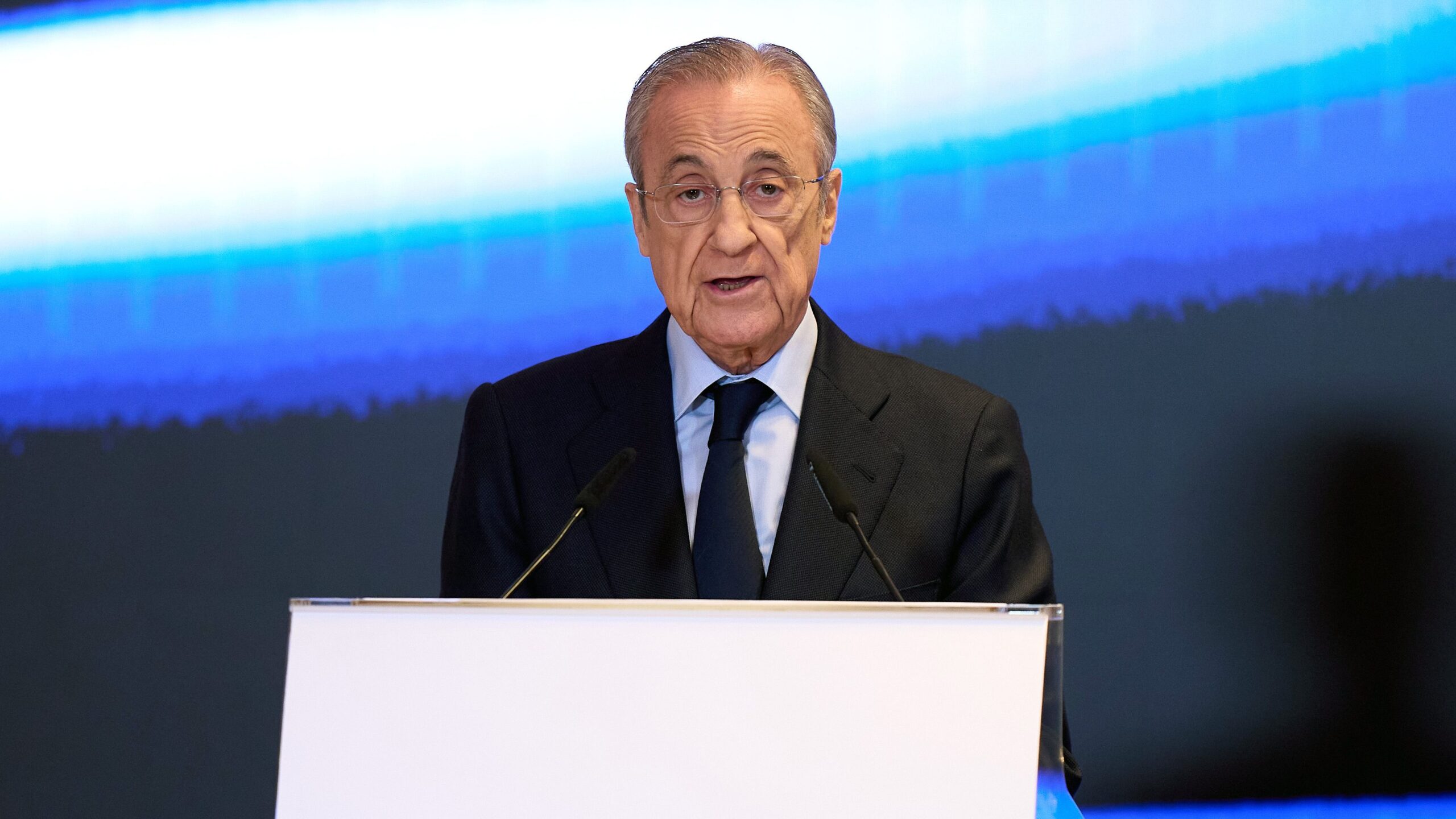
Florentino Perez has outlined a forward-thinking plan to the club’s membership, emphasizing the importance of updating Real Madrid‘s operational framework. He articulated the need for safeguards that preserve the club’s institutional integrity and member ownership, stating in his address: “We aim to present a reorganization plan that fortifies our position, defends against potential risks, and ensures members retain full control over our assets and destiny.”
Maintaining Member Control Amid Financial Needs
This strategy carefully weighs the demand for external funding against the club’s commitment to its non-corporate structure. While Perez draws inspiration from models like Germany’s ownership rules, Spanish regulations limit such adaptations. As a result, Real Madrid is developing a network of subsidiaries to attract investors without compromising control over team operations.
Expert Guidance on Commercial Expansion
Financial experts, such as Anas Laghrari from Key Capital Partners and Clifford Chance, are advocating for a setup similar to the 2021 establishment of Real Madrid Estadio SL, which handles venue management. Perez plans to extend this by forming a dedicated commercial unit that allows external parties to invest, all while keeping influence away from the club’s core decision-making processes.
Protecting Core Assets from Corporate Shift
By focusing on this method, Real Madrid avoids transitioning into a publicly traded entity, thereby preserving members’ longstanding authority. Investors would gain shares in an entity dedicated to business aspects like partnerships, event hosting, and promotional activities, leaving all athletic matters-ranging from the squad to youth programs-solely in members’ hands.
Addressing Rising Financial Pressures
Perez’s commitment to the club’s community-focused ethos is evident in his recent communications, especially as renovation costs for the Bernabeu have escalated to €1.347 billion from the initial €575 million estimate. This escalation necessitates immediate financial bolstering to maintain stability, according to available reports.
Discover smarter ways to bet on football? Access expert analyses, data-backed forecasts, and key strategies through BALLGM Tips on Telegram. Become part of our expanding network today!
Factors Driving Stadium Cost Increases
The club’s fiscal challenges have intensified with ongoing updates to the Bernabeu project. By June 30, 2025, loans for the stadium totaled €1.132 billion, influenced by elements like inflation, global events, advanced retractable fields, and enhanced sound setups for performances. Although the upgraded venue promises substantial revenue opportunities, it currently imposes significant short-term burdens.
Lessons from Rivals and Enhanced Safeguards
This approach echoes the controlled financial tactics employed by competitors like Barcelona to navigate economic hardships, such as establishing specialized divisions for media and branding. Perez intends to adopt a comparable route with added protections, where any new shares are granted at no cost to members, treating them as privileges rather than marketable assets.
Ensuring Majority Ownership and Decision-Making
Under this framework, the commercial division will remain predominantly under Real Madrid‘s control, guaranteeing that members hold the final say in all matters.
Exploring Operational Separation for Stability
Recent analyses suggest the club is considering a division between its business and sports functions, potentially paving the way for a more robust governance system. This would permit investors minor roles in commercial ventures, while keeping the sports operations intact and aligned with Perez’s long-held principles.
Building Resilience Against Future Threats
Beyond securing funds, this setup aims to shield Real Madrid from external pressures, including regulatory or economic shifts.
Next Steps in the Restructuring Process
The path forward involves a special meeting where members will decide on Perez’s overhaul proposal. Specialists are finalizing the regulatory and fiscal details to align with Spanish sports guidelines, which mandate that business earnings support athletic endeavors and ban profit sharing.
Implementation and Investor Engagement
Should the plan gain approval, the club will launch the new entity, outline its commercial holdings, and engage with potential backers eager to contribute. Real Madrid will favor collaborators focused on enduring global sports partnerships over fleeting financial entities.
Securing a Competitive Edge in Modern Football
Ultimately, this initiative reflects Real Madrid‘s proactive approach to adapting its economic strategy in an era where football is increasingly shaped by state-funded teams and international investors.
The Bernabeu Deal: A Game-Changer for Real Madrid
Background on the €360 Million Bernabeu Renovation
Real Madrid’s ambitious overhaul of the Santiago Bernabeu Stadium has been making headlines, and the recent €360 million deal is a key part of this transformation. This financing agreement, secured through a partnership with various investors, is set to fund state-of-the-art upgrades, including improved seating, advanced technology integrations, and enhanced fan experiences. For football enthusiasts, this deal represents more than just stadium improvements-it’s a strategic move to position Real Madrid as a modern, revenue-generating powerhouse in the world of sports.
The €360 million Bernabeu deal involves long-term financing that could generate additional income streams, such as hosting concerts and events year-round. This isn’t just about fixing up an old venue; it’s about turning the stadium into a multi-purpose hub that boosts Real Madrid’s overall brand value. As the Spanish powerhouse continues to dominate European football, these enhancements could help attract even more global sponsorships and partnerships.
Reasons Behind Selling a 10% Stake in Real Madrid
One of the most intriguing aspects of this deal is Real Madrid’s plan to sell a 10% stake in the club. This decision, driven by President Florentino Pérez, is aimed at injecting fresh capital into the organization without compromising its core identity. You might be wondering why a club as successful as Real Madrid would dilute its ownership-well, it’s all about fueling long-term growth in a competitive landscape.
- Diversifying Revenue Streams: By selling a stake, Real Madrid can access new investments that go beyond traditional football income. This could include tech integrations, like virtual reality fan experiences or e-sports ventures, helping the club stay ahead in the digital age.
- Funding Future Projects: The proceeds from the stake sale could finance player acquisitions, youth academy developments, or even global expansion efforts, ensuring Real Madrid remains a top contender in La Liga and the UEFA Champions League.
- Mitigating Financial Pressures: In an era of rising operational costs, from player salaries to compliance with financial fair play rules, this move provides a buffer. It’s a smart way for Florentino Pérez to balance the books while pursuing aggressive strategies.
Experts suggest that selling a 10% stake could value Real Madrid at over €4 billion, making it one of the most lucrative deals in sports history. This approach mirrors trends seen in other major clubs, like Manchester United’s stake sales, but Pérez is tailoring it to fit Real Madrid’s unique status as a Spanish icon.
Florentino Pérez’s Strategy for New Investments
President Florentino Pérez has long been visionary when it comes to Real Madrid’s financial strategy, and the Bernabeu deal is a prime example. Under his leadership, the club has evolved from a traditional football team into a global entertainment brand, and selling a 10% stake is the next logical step.
Key Investment Areas Pérez is Targeting
Pérez’s plans for new investments focus on several high-impact sectors:
- Sustainability Initiatives: Real Madrid is eyeing eco-friendly upgrades to the Bernabeu, such as solar panels and energy-efficient systems, which could attract environmentally conscious sponsors and reduce long-term costs.
- Digital and Fan Engagement: With the rise of online streaming and social media, investments in apps, virtual tours, and interactive fan platforms are on the agenda. This could help Real Madrid reach millions of fans worldwide, boosting merchandise sales and subscription revenues.
- Infrastructure Expansion: Beyond the stadium, Pérez might use the funds to develop training facilities or partner with tech firms for data analytics in player performance-think AI-driven scouting tools that give the team an edge on the pitch.
Potential Challenges in Securing Investments
While the opportunities are exciting, there are hurdles to consider. For instance, finding the right investors who align with Real Madrid’s values is crucial. Pérez has emphasized maintaining control, so any stake sale will likely involve strict agreements to protect the club’s heritage.
In discussions around new investments, sources close to the club highlight the importance of transparency. This ensures that stakeholders, from season ticket holders to corporate partners, feel confident about Real Madrid’s direction. By addressing these challenges head-on, Pérez is setting the stage for sustainable growth that could see the club thrive for decades.
The Impact on Real Madrid’s Future as a Spanish Powerhouse
Real Madrid’s decision to sell a 10% stake post the €360 million Bernabeu deal is reshaping how football clubs operate financially. This move not only secures immediate funds but also paves the way for innovative projects that enhance the fan experience and club performance.
Financial Benefits of the Stake Sale
From an SEO perspective, keywords like “Real Madrid investments” and “Florentino Pérez strategy” are buzzing in financial circles, and for good reason. The stake sale could generate upwards of €400 million, providing Pérez with resources to scout top talents or invest in marketing campaigns that elevate the club’s global profile.
- Enhanced Competitiveness: With more capital, Real Madrid can compete fiercely in transfer markets, potentially signing stars to maintain their dominance in La Liga and beyond.
- Long-Term Value Creation: Investors are drawn to Real Madrid’s brand strength, and this deal could lead to partnerships that open doors to new markets, like Asia or the Americas.
- Risk Management: By diversifying funding sources, the club reduces reliance on ticket sales or broadcast deals, which have been volatile in recent years.
How This Fits into the Bigger Picture
Delving deeper, the €360 million Bernabeu deal and subsequent stake sale reflect a broader trend in European football, where clubs are becoming more like corporations. For Real Madrid fans, this means more than just wins on the field-it’s about building a legacy that includes financial stability and innovation.
Pérez’s approach ensures that every euro invested translates into tangible benefits, from cutting-edge training tech to community programs that strengthen the club’s social impact. As discussions around “Spanish powerhouse investments” gain traction, Real Madrid’s moves are setting benchmarks for others to follow, keeping the club at the forefront of the sport.