
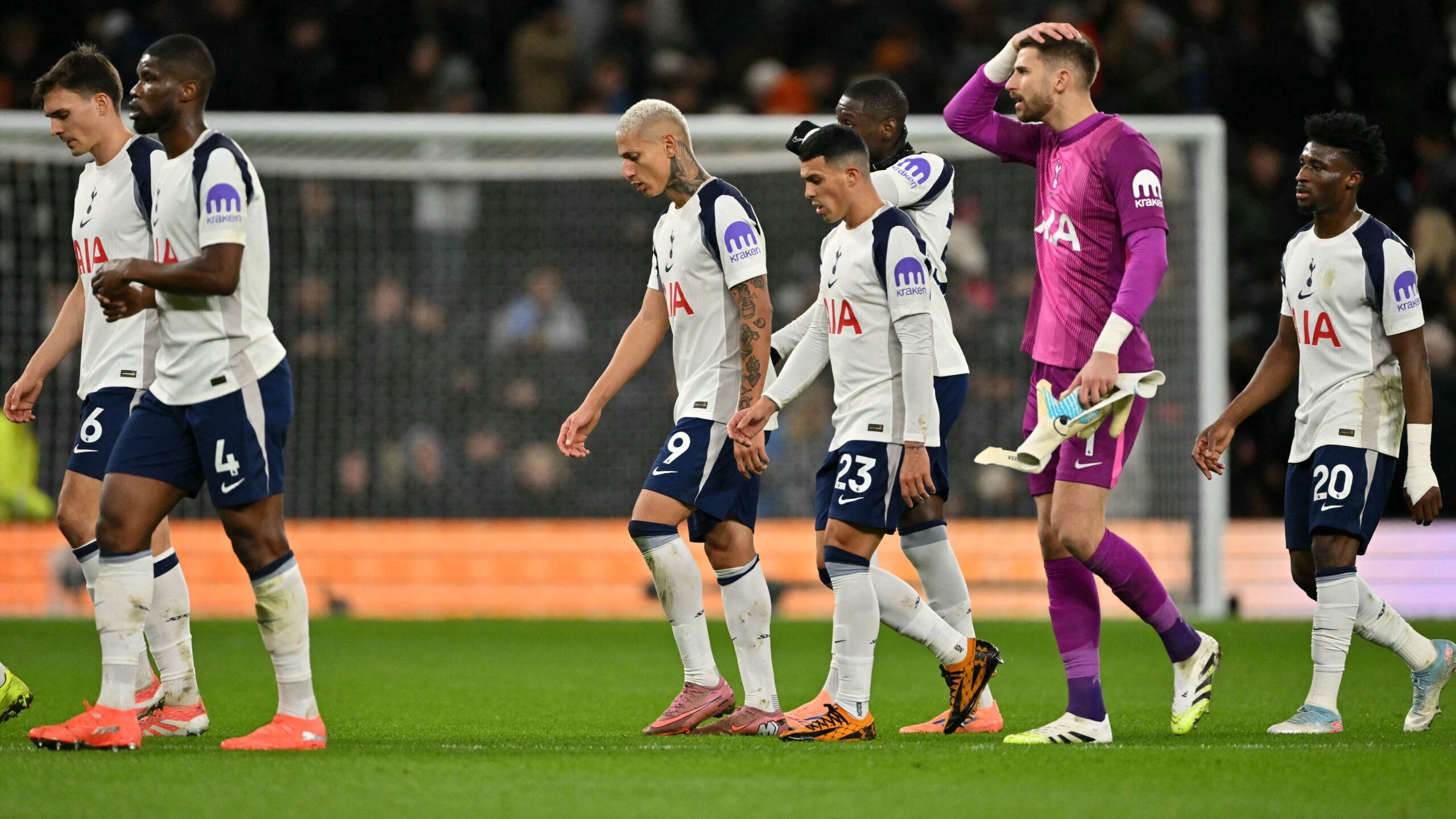
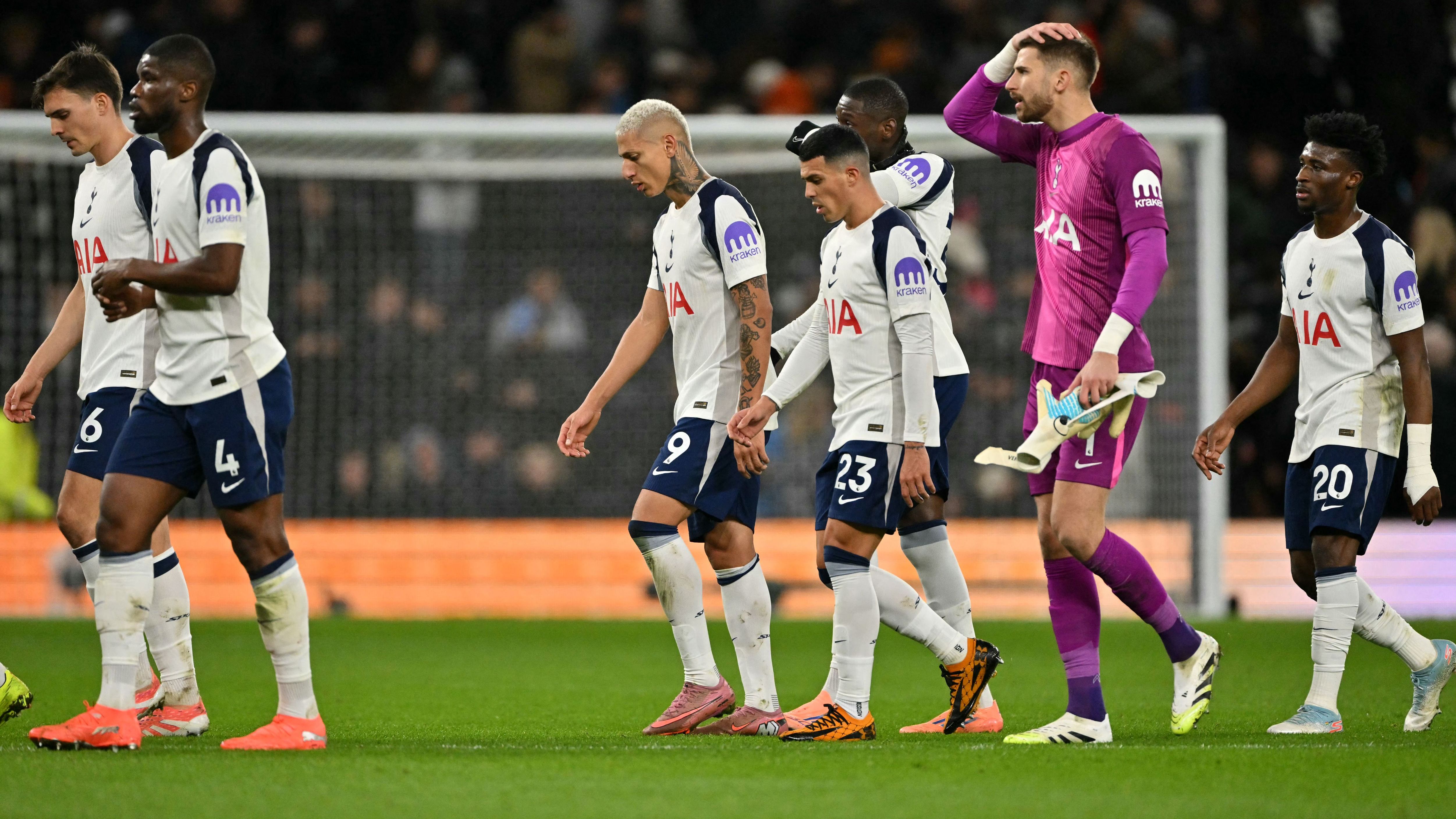

Tottenham‘s players left the pitch together after the defeat to Fulham without applauding their supporters, continuing a new convention adopted following their loss to Chelsea earlier in the month. The 2-1 home defeat, compounded by the booing of goalkeeper Vicario after his mistake for Fulham’s second goal, intensified already-strained relations. Spurs remain without a Premier League home win since the opening day against Burnley, with the Fulham loss marking their 10th home league defeat of 2025.
The incident that drew attention involved Micky van de Ven and Djed Spence walking straight off the pitch after the Chelsea match, which was initially interpreted as a snub to Thomas Frank but was later explained as a reaction to hostile elements of the fanbase. Against Fulham, further tension surfaced when Pedro Porro appeared unhappy that Lucas Bergvall clapped the supporters after the final whistle. The team’s coordinated walk-off reflected a stance shaped internally amid rising frustration about matchday treatment.
Elements of the Spurs fanbase jeered Vicario following his clearance mishap, only to cheer ironically when the Italian successfully cleared the ball minutes later. These moments worsened the overall mood inside the stadium, contributing to an atmosphere players privately consider damaging. Saturday’s scenes have now heightened scrutiny on the relationship between fans and the squad at a time when results continue to decline.
Porro’s public criticism of the fan reaction underlined how deeply Saturday’s events unsettled the squad, as he wrote: “What I will not tolerate is hearing disrespect from the fan to my team-mates – hence my frustration at the end of the game.” He urged supporters to remember how the team had clawed its way back from a difficult situation six months earlier, adding: “To the true Spurs fan, I love you.” His comments reflected a dressing room that feels protective of each other and bruised by the jeers.
Frank echoed that view in his post-match comments, calling those who jeered Vicario not “true Tottenham fans” and saying: “They can’t be true Tottenham fans because everyone supports each other when you’re on the pitch… I’m fine with them booing after the match, but not during. That is unacceptable in my opinion.” The manager’s defence of his players highlighted his concern over how negativity during matches may be affecting performances. His stance illustrates the growing challenge of navigating a home environment that is becoming increasingly unforgiving.
Vicario himself remained calm, insisting supporters have the right to react how they wish, but accepting the impact it had on the squad. He said: “It’s part of football… The fans have the right to do what they think… probably it is on us to stay more calm and focus more on ourselves.” Even so, those close to the dressing room confirm players were visibly upset by the jeers, and the issue has become a prominent talking point in internal meetings.
Telegraph Sport revealed that Tottenham players held a detailed internal discussion following the Chelsea defeat on November 1 to address what they viewed as a “critical” disconnect with elements of the fanbase. The meeting included open conversations about the atmosphere inside the stadium, how it impacted performance, and the team’s responsibility in managing hostile reactions. Players were said to have spoken candidly about their feelings, recognising the issue had persisted for seasons.
In response, the squad agreed to a new routine: gathering in the centre circle and leaving the pitch together at half-time and full-time as a symbol of unity regardless of crowd reaction. The decision not to walk around applauding supporters is understood to be deliberate, with players believing a collective exit avoids individual incidents escalating. While some supporters perceived this as a snub, insiders insist it reflects an attempt to stabilise the situation internally.
Club sources privately admit the fan-player dynamic has deteriorated significantly, and that ignoring the issue would be significantly more damaging. They also acknowledge similar issues have existed in previous years, suggesting the current unrest is part of a longer-term cultural rift rather than a new phenomenon. With results slipping at home and tension rising inside the stadium, the club now faces a delicate balancing act.
Tottenham and Frank must now find a way to rebuild trust between players and supporters ahead of another challenging stretch of fixtures. With home form deteriorating and tension at its highest point of the season, the squad will likely continue its unified exits until the atmosphere improves. Every upcoming match at the Tottenham Hotspur Stadium now carries both sporting and emotional significance as the club battles to steady a season veering off course.
Spurs are set to take on Brentford on the weekend at home, after their trip to Newcastle’s St. James’ Park, and the reaction of the fans will play a major part in how the reparations of the bond between the supporters and Tottenham’s players will progress.