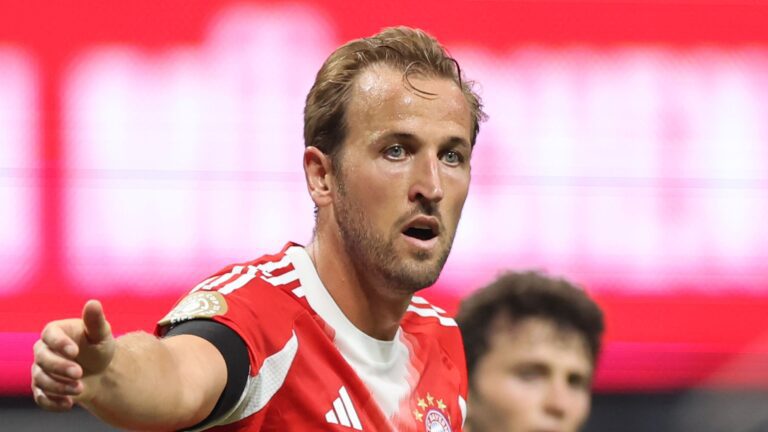
 The Bundesliga, officially known as the Deutsche Fußball Liga (DFL) Bundesliga, is Germany’s premier professional football league and a powerhouse in European football. Founded in 1963, it features 18 clubs competing in a 34-match season from August to May for the coveted Meisterschale trophy, UEFA Champions League qualification, and to avoid relegation to 2. Bundesliga. Renowned for its high-scoring matches, vibrant fan culture, and world-class stadiums, the Bundesliga is celebrated for its accessibility, with affordable tickets and packed stands, exemplified by Borussia Dortmund’s iconic “Yellow Wall.”
Manchester United’s Striker Pursuit: Funding a Major Transfer Without Squad Sales – An Analysis
Manchester United fans dreaming of a marquee striker signing this summer can breathe a little easier. Contrary to popular belief, funding a blockbuster deal doesn't necessarily hinge on offloading players deemed surplus to requirements - the so-called 'bomb squad'.
A clever combination of factors is opening up financial possibilities for Erik ten Hag. Primarily, the club's recent financial performance has been stronger than anticipated, boosting available funds. Furthermore, a shift in Financial Fair Play (FFP) regulations allows for greater amortization of player contracts, meaning United can spread the cost of a new signing over a longer period.
This doesn't mean spending will be unlimited, but it significantly eases the pressure to generate revenue through sales. While departures would still be welcomed to streamline the squad, they are no longer a *requirement* to bring in a top-tier goalscorer. Expect United to explore options like Victor Osimhen and Harry Kane with renewed confidence, focusing on structuring a deal that fits within their evolving financial landscape. This is a game-changer for Ten Hag's rebuild!